Wise Generosity: Reflecting Christ’s Love Responsibly
How can missionaries give financially in ways that reflect Christ’s love without fostering dependency, manipulation, or injustice?
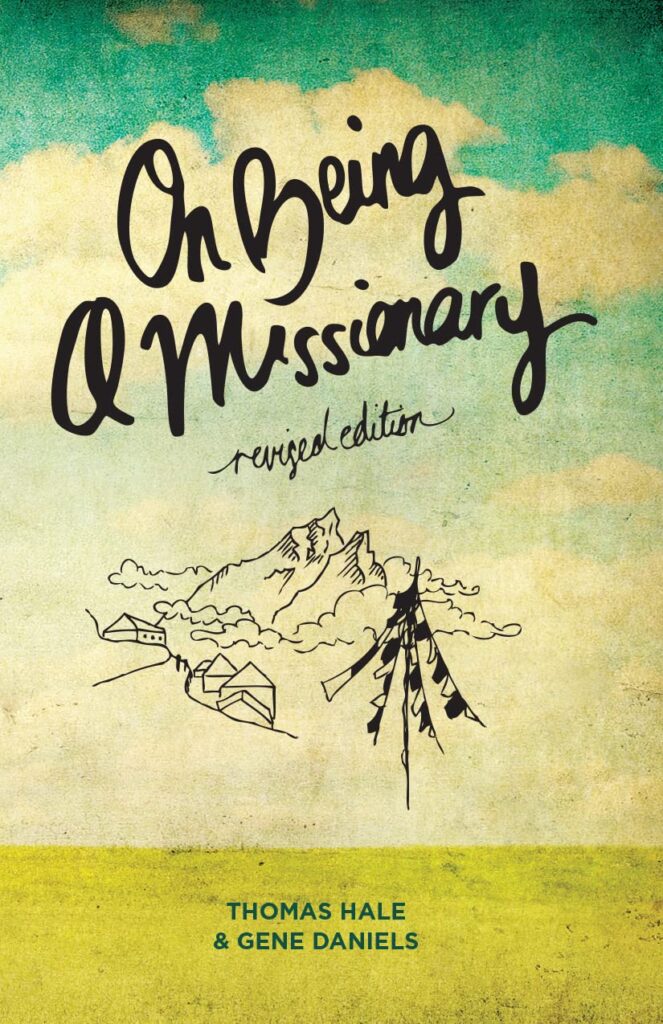
Hale observes that missionaries will regularly be “hit up” for money, especially for loans. Their relative wealth, however modest by Western standards, makes them natural targets for requests. The only context in which loans are reasonably safe, he argues, is with salaried workers whose wages can be adjusted for repayment if needed (Hale, On Being a Missionary, 199–202). Even then, the relational cost may be significant. In most cases, simple loans are a poor tool for Christian generosity.
Instead, Hale commends thoughtfully structured philanthropy. Missionaries should prefer gifts that do not create long-term dependency—such as tools for work, tuition that opens future opportunities, or short-term relief connected to clear paths toward stability. Providing employment may be better than handing out cash. Anonymous scholarships, where feasible, honor dignity by separating generosity from personal obligation.
“Love should be informed by reason,” Hale insists (Hale, On Being a Missionary, 202). The missionary must weigh what outsiders think people need against what those people themselves feel they need, then ask, “What would I need if I were in their situation?” This reflective approach helps guard against imposing Western solutions on local problems or manipulating gratitude.
“Love should be informed by reason.”
At the same time, workers must not be naive about exploitation. Professional beggars sometimes operate under the control of criminal overlords. Hale recounts heartbreaking abuses, including children maimed to increase their appeal. In such contexts, unthinking generosity may actually fund oppression. Missionaries may need to decline certain requests while channeling help through wiser avenues.
Allowing recipients to repay in some form—through work, hospitality, or partial financial return—can further protect dignity. The goal is not to buy loyalty, but to embody Christlike love that respects agency and encourages responsibility.
Missionaries practice wise generosity when they give in ways that reflect thoughtful love, resist dependency, and protect the vulnerable from exploitation, all while honoring the dignity and agency of those they help.
Disclaimer: Information in my “slip-box” doesn’t necessarily reflect my agreement with the source or all its content. Recording diverse perspectives helps strengthen one’s position beyond the echo chamber of like-minded thinkers. By documenting alternative viewpoints, we engage in the intellectual wrestling match that ultimately deepens our understanding.
I aspire to post one note from my “slip-box” every weekday. If you want to learn more about how to work with knowledge, click this link: What is knowledge management?
Pastor Dan Patrick, raised in Northern Virginia near Washington, D.C., holds both a Bible degree and a Master’s of Divinity. He has ministered across five states from coast to coast, serving in various capacities, including pastoral leadership. Dan’s primary mission is to help people love God’s Word and find their purpose in God’s work.