Understanding Culture Shock in Missionary Ministry
What does culture shock actually feel like for missionaries entering a new field, and why does it matter for their ministry?
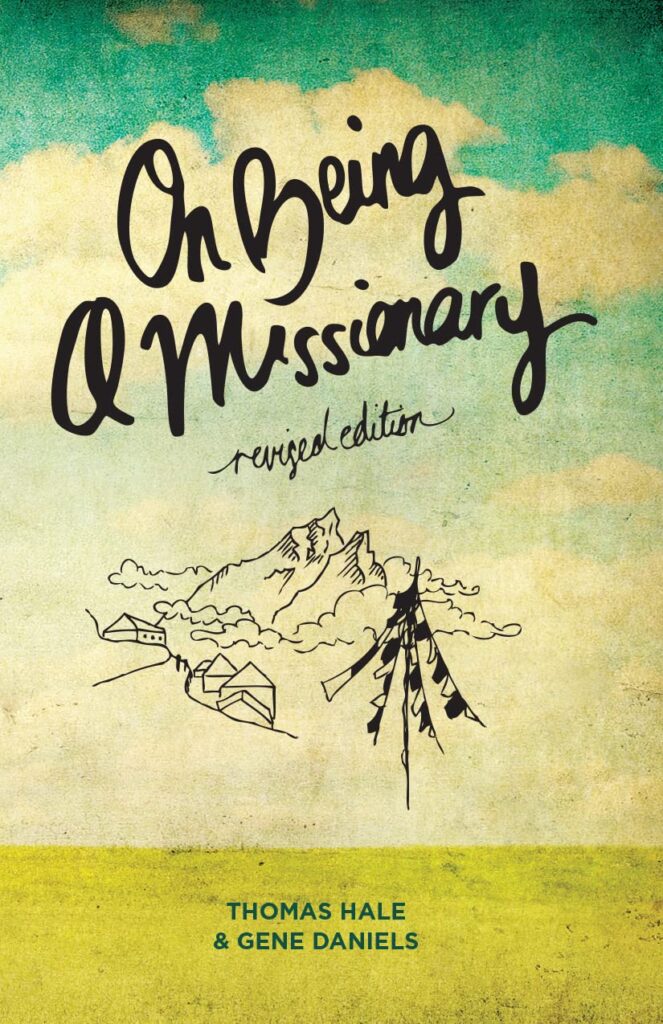
Culture shock poses a significant challenge to missionary ministry. In On Being a Missionary, Hale explains that culture shock ranges from humorous to embarrassing, yet with proper preparation and focus, missionaries can enjoy the journey of assimilating into a new culture (Hale, On Being a Missionary, 151). He employs the metaphor of a sports team to help missionaries envision their adjustment. If missionaries stay on their own team, they will always be one point behind the nationals’ team. When they recognize their skills and learn to play by local rules, they experience smoother cultural adjustment.
Missionaries must remember that this disorientation is not a sign of spiritual failure but a regular part of crossing cultural boundaries.
Hale summarizes the experience by writing that “culture shock is primarily a sense of disorientation, together with the uneasiness and anxiety that such disorientation produces” (Hale, On Being a Missionary, 151). Culture shock can feel like a loss of footing: familiar cues disappear, standard social rules no longer apply, and even simple tasks demand conscious effort. Missionaries must remember that this disorientation is not a sign of spiritual failure but a regular part of crossing cultural boundaries.
Culture shock affects virtually everyone who crosses a cultural boundary for ministry. According to Hale, only missionary children returning to their parents’ field and some short-term participants might avoid it. That universality should encourage missionaries not to feel uniquely weak or unprepared. Instead, they should see culture shock as an expected phase in long-term obedience.
Culture shock is a normal, disorienting phase in missionary obedience that must be understood, not feared, if ministry is to take root in a new culture.
Disclaimer: Information in my “slip-box” doesn’t necessarily reflect my agreement with the source or all its content. Recording diverse perspectives helps strengthen one’s position beyond the echo chamber of like-minded thinkers. By documenting alternative viewpoints, we engage in the intellectual wrestling match that ultimately deepens our understanding.
I aspire to post one note from my “slip-box” every weekday. If you want to learn more about how to work with knowledge, click this link: What is knowledge management?
Pastor Dan Patrick, raised in Northern Virginia near Washington, D.C., holds both a Bible degree and a Master’s of Divinity. He has ministered across five states from coast to coast, serving in various capacities, including pastoral leadership. Dan’s primary mission is to help people love God’s Word and find their purpose in God’s work.